
Escalation Clauses: 5 Steps Sellers Must Take to Secure Closing
You stay in control of every offer on your home, including one with an escalation clause, and your first move should be verifying the clause’s wording and the buyer’s ability to actually finance that higher number. An escalated price only means something if the buyer can close at it, so proof of funds and appraisal risk deserve your attention before the headline figure does.
TL;DR:
- Verifying the buyer’s proof of funds and financing ability is crucial before accepting an escalation clause, as the offer is invalid without actual capacity to close.
- Confirm that the escalation clause requires a signed, qualified competing offer, clear increments, a firm cap, and proof of funds to prevent disputes or surprises.
- Be aware that if the escalated price exceeds the home’s appraised value, the buyer may need to provide extra cash or renegotiate, potentially causing the deal to fall through.
- Avoid countering multiple buyers simultaneously, as it risks creating two binding contracts, and always document decisions and seek legal review when in doubt.
- For sellers seeking certainty over price, options like direct sale or working with vetted investors provide predictable closing without depending on escalation clauses or appraisal outcomes.
Table of Contents
- What to inspect in the escalation clause: trigger, increment, cap, and proof
- Step-by-step seller workflow to manage an escalation offer safely
- How appraisal gaps and financing limits can undercut an escalated price
- Common negotiation mistakes and legal exposures sellers should avoid
- When a guaranteed sale beats chasing the highest escalated bid
- Clear, honest ways to sell without betting on an escalated offer
- FAQ
- Sources
What to inspect in the escalation clause: trigger, increment, cap, and proof
An escalation clause looks simple on paper: the buyer agrees to beat competing offers by a set amount, up to a ceiling. The details inside that promise determine whether it protects you or creates problems later.
Before you or your agent treat an escalated offer as the strongest one on the table, check these items:
- Confirm whether the clause requires a signed, financially qualified competing offer or just an agent’s verbal claim, since vague triggers invite disputes later.
- Identify the exact increment and the absolute price cap, and note whether any seller concessions or credits are baked into that ceiling.
- Look for language excluding appraisal or financing contingencies, and check whether the buyer is required to show proof of funds for the gap.
- Verify the earnest money amount, the status of the financing contingency, and any deadlines tied to the escalation terms.
A consumer guide from the National Association of Realtors warns against treating escalation clauses as guaranteed final prices. The clause should spell out precisely what evidence triggers the increase, and a seller is right to insist on a signed competing offer, clear credit terms, and a firm cap rather than accepting loose wording.
Pro Tip: Ask your agent to request a copy of the competing offer referenced in the escalation clause before you counter or accept, not after.
Step-by-step seller workflow to manage an escalation offer safely
Handling an escalated offer well is less about the number and more about sequencing. A clear process protects you from rushed decisions and avoids creating legal exposure.
- Set a firm response deadline and give your agent written instructions on how to handle multiple offers, including disclosure rules and whether you want to invite best and final offers.
- Ask for a one-page comparison showing net proceeds and contract terms for every offer, not just the top-line price.
- Check the escalation trigger, increment, cap, and proof requirements, then verify the buyer’s financing and proof of funds if an appraisal gap looks likely.
- Decide on one path: accept the strongest offer, invite best and final bids, counter a single offer, or keep the home on market while holding a backup position. Never counter more than one buyer at the same time.
- Document each decision and get legal review before signing if the clause language or your state’s contract rules leave any uncertainty.
NAR’s guidance on presenting and negotiating multiple offers confirms that you, not your listing broker, decide how offers are presented, negotiated, and accepted. Your options include accepting the best offer outright, inviting best and final offers, countering one offer while holding the others, or countering and rejecting the rest. NAR also notes that inviting best and final offers can improve your terms, but it can also cause a buyer to walk away, so weigh that trade-off before choosing it.
Pro Tip: Ask your agent for a written summary comparing financing strength and contingency status across offers, since the buyer with the cleanest path to closing often beats the one with the highest escalated number.
How appraisal gaps and financing limits can undercut an escalated price
An escalated price is only as strong as the appraisal behind it. Lenders base loan amounts on appraised value, not on what a buyer agreed to pay, so when an escalation clause pushes the contract price above what the home appraises for, the buyer typically has to cover the difference in cash or renegotiate the price.
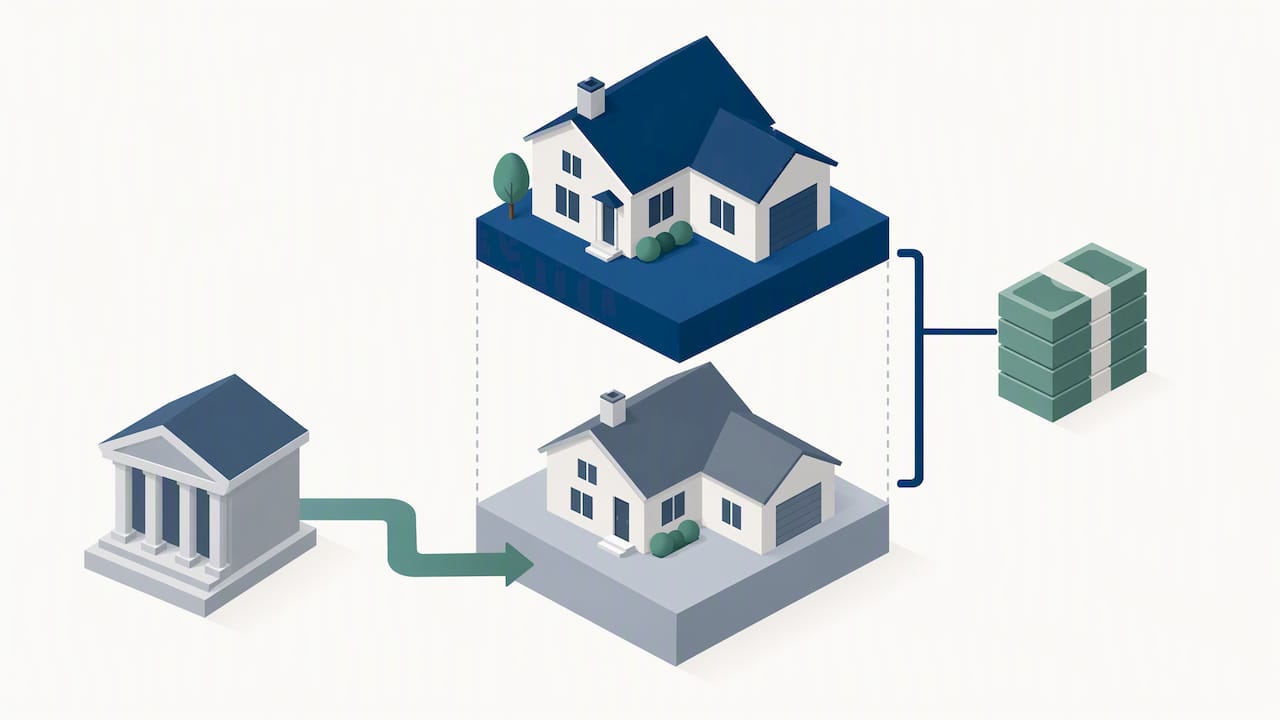
According to Realtor.com, when an escalation clause drives the contract price above the appraised value, the buyer may need to bring additional cash to the table or renegotiate, and the deal can fall through if they cannot. That single mechanic explains why a headline price several thousand dollars above the next offer is not automatically the better choice.
A few concrete steps limit that risk:
- Ask for proof of funds whenever the escalated price is likely to exceed a reasonable appraisal estimate for the area.
- Check whether the buyer’s contract keeps or waives the appraisal contingency, since a waived contingency shifts more risk onto the buyer.
- Favor offers that include a specific appraisal-gap provision over ones that stay silent on what happens if the appraisal comes in low.
An escalated contract price above the appraised value often requires the buyer to bring extra cash or renegotiate, per Realtor.com’s guidance on escalation clauses. For a closer look at how these gaps work in practice, our appraisal gap clause guide walks through a sample scenario and the protections sellers can ask for.
Common negotiation mistakes and legal exposures sellers should avoid
A few mistakes show up again and again once multiple offers and escalation clauses enter the picture, and they carry real legal consequences.
- Countering more than one buyer at the same time risks creating two binding contracts if both accept, so counter only one offer at a time and hold the others.
- Once you accept an offer, a counteroffer to a different buyer typically eliminates your ability to go back and accept the first one, which makes timing decisions carefully important.
- State rules and attorney-review periods vary, so confirm your state’s timing before switching between offers or treating an accepted offer as reversible.
- Put your negotiation preferences and disclosure boundaries in writing to your listing agent rather than leaving them to a verbal conversation.
The American Bar Association’s guidance on negotiating and presenting offers recommends legal review whenever the consequences of a clause or a counteroffer are unclear, and it notes that a counteroffer can eliminate your ability to accept the original offer. A partner resource on seller disclosure obligations reinforces why written instructions to your agent matter: they create a clear record of what you asked for and when.
If you want a safety net without the risk of trying to unwind a signed contract, a backup offer is the practical tool. It lets you accept a second-best offer conditionally, ready to move forward only if your primary contract falls through, rather than attempting to replace an executed agreement outright.
When a guaranteed sale beats chasing the highest escalated bid
We think escalation clauses reward sellers who can tolerate uncertainty, but not every seller is in that position. If you are facing a tight timeline, a title issue, or a property condition that makes appraisal shortfalls likely, the headline number on an escalated offer can matter less than knowing the sale will actually close.
That is the gap our range of options is built to cover. We offer data-driven valuations, transparent terms, and more than one path to a sale, so you are not stuck betting on a single buyer’s financing coming through. For sellers weighing an urgent move, an inherited property, or a home that may not appraise cleanly, there are options that can remove that specific risk from the equation.
— AAS
Clear, honest ways to sell without betting on an escalated offer
When an escalated offer feels too uncertain, we offer a more direct route to closing without giving up on getting a fair price. Our sale process outlines three main paths: a Direct Purchase by AAS Home Buyers for sellers who want speed and certainty, a Purchase by Vetted Investment Partners when a direct match fits your property better, and a Retail Buyer Program for sellers who want full market exposure with managed listing and marketing support.

- Choose Direct Purchase or a Vetted Investment Partner when certainty of closing matters more than squeezing out the last dollar of a bidding war.
- Choose the Retail Buyer Program when you want broad market exposure but still want a structured, guided process behind it.
- Choose our Realtor Referral Program when you would rather work with a vetted local agent for a traditional listing.
Every option comes with no upfront service fees and transparent terms, detailed in our terms and disclaimer. If you want to see which path fits your situation, visit AAS Home Buyers to get started.
This article is general information, not a substitute for advice from a qualified lawyer. Consult a qualified legal professional about your own circumstances before acting on anything here.
FAQ
What does an escalation clause actually guarantee a seller?
An escalation clause does not guarantee a final sale price, only a formula for raising the buyer’s offer above competing bids up to a stated cap. Whether that price holds depends on proof of the competing offer, the buyer’s financing, and whether the home appraises at or above the escalated amount, according to NAR’s consumer guide on navigating multiple offers.
Can a seller counter two escalation offers at once?
Countering more than one offer at the same time is risky because it can create two binding contracts if both buyers accept. NAR’s guidance on presenting multiple offers confirms that the seller controls the process, but recommends countering one offer at a time and holding the others.
What happens if the escalated price is above the appraisal?
Lenders base the loan on appraised value, so when the escalated contract price exceeds that value, the buyer typically has to cover the difference in cash or renegotiate the price. Realtor.com notes the deal can fail entirely if the buyer cannot bridge that gap.
Should a seller accept a backup offer instead of switching contracts?
Yes, a backup offer is the safer route once you have an accepted contract, since a counteroffer to a different buyer can eliminate your ability to go back to the original one. The American Bar Association recommends legal review whenever switching offers raises uncertainty.
Is AAS Home Buyers an alternative to accepting an escalation clause?
Yes, our Direct Purchase and Retail Buyer Program options give sellers a path to a sale that does not depend on a buyer’s financing holding up at an escalated price. Details on each option are available on our process page.