
Sell a Condemned House in the U.S.: Close in 7–30 Days, Handle Liens
You can sell a condemned house in nearly every U.S. market, but you must disclose the condemnation and any known code violations, and you should expect a smaller pool of buyers willing to pay cash. The first move isn’t calling an agent. It’s ordering a title search and reviewing the condemnation notice with your local code office or a real estate attorney, since that single step tells you what liens or hazard orders you’re working around before you price anything.
TL;DR:
- Selling a condemned house is possible in most U.S. markets, but you must disclose the condemnation and any unresolved violations to buyers.
- Typically, only cash buyers or investors can finance purchase deals, as conventional lenders reject properties with active condemnation orders.
- The property’s value mainly relies on the land, minus demolition and remediation costs, which vary significantly by region and hazard type.
- Your best selling options include a quick sale to cash buyers, auction, repair to lift condemnation, or demolishing the structure to sell the lot.
- Resolving liens, back taxes, and environmental hazards via a tax lien discharge or payoff negotiation is essential for a clear title and insurable sale.
Table of Contents
- What Does It Mean When a House Is Condemned?
- Can You Legally Sell a Condemned House?
- What Are Your Options for Selling a Condemned House?
- What Must You Disclose Before Listing a Condemned House?
- How Do Liens and Back Taxes Affect Selling a Condemned House?
- How Much Is a Condemned House Worth?
- Where Do You Find Buyers for a Condemned Property?
- What’s the Timeline for Selling a Condemned House?
- How Do Professional Home Buyers Handle Condemned Properties?
- What’s More Important: Speed or Price?
- Get an As-Is Offer on Your Condemned Property
- Where to Verify These Rules
- Sources
- FAQ
What Does It Mean When a House Is Condemned?
A condemnation notice means a local building or health authority has ruled the property unsafe to occupy. It’s not a suggestion. Once a code office posts that notice, the clock starts on repairs, demolition, or a sale, depending on what the order actually says.
Municipalities condemn houses for a handful of recurring reasons:
- Structural failure (collapsing roofs, foundation cracks, load-bearing wall damage)
- Fire damage that compromises safety systems or structural integrity
- Severe mold or water intrusion that makes the air quality hazardous
- Long-term utility disconnection, which often signals abandonment
- Chronic neglect that piles up multiple unresolved code violations
Not every notice carries the same weight. A “red tag” often restricts occupancy but allows repair. A formal condemnation or unsafe building order can trigger a demolition deadline. Some notices come with liens attached for cleanup or emergency repairs the city already performed, which follow the property, not just the person who owned it when the work happened. Knowing which type you’re holding changes everything about how you remove code violations and whether you can transfer clear title at all.
Can You Legally Sell a Condemned House?
Yes, in most jurisdictions you can sell a condemned house, but the sale comes with strings attached. Sellers must disclose the condemnation and any unresolved violations, and Realtor.com’s guidance on condemned buildings confirms that a sale is generally possible even while a property carries an active order, as long as the buyer knows what they’re getting.
Financing is where things get narrow. Conventional lenders won’t touch a condemned property because it fails habitability standards required for a mortgage. That leaves:
- Cash buyers and real estate investors, who dominate this segment
- Buyers pursuing hard money or portfolio loans tied to rehab plans
- Rare cases where a buyer plans an all-cash purchase followed by a construction loan after repairs
Some cities go further and can temporarily block a sale, especially when a property poses an imminent hazard or has already been seized for demolition. Calling the code enforcement office before you list is not optional. It’s the only way to confirm whether you’re free to sell today or need to resolve an order first.
What Are Your Options for Selling a Condemned House?
You have four realistic paths, and the right one depends on how much time, cash, and patience you have.
- Sell as-is to a cash buyer or investor. This is the fastest route, often closing in one to four weeks, and it stops accumulating fines or the slide toward foreclosure. Net proceeds are lower because the buyer prices in demolition and remediation costs, but you avoid financing costs, repair bills, and months on the market.
- Auction the property. This works well for estate sales or situations where title is clean and you want a defined closing date. Auction buyers expect distressed condition, so disclosure friction is lower, though marketing fees can eat into proceeds.
- Repair the property to lift the condemnation. This only makes sense when your equity and timeline support it. You’ll need permits, licensed contractor bids, and a re-inspection before the order lifts, which can take months depending on the violation’s severity.
- Demolish and sell the lot. When the structure has more liability than value, tearing it down and selling raw land can net more than trying to unload a condemned building. Get demolition bids first. Costs vary widely by region, square footage, and whether asbestos or other hazardous materials are involved.
Pro Tip: Get at least two contractor bids before deciding between repair and demolition. A single quote can be wildly off, and that number drives which option actually pencils out.
What Must You Disclose Before Listing a Condemned House?
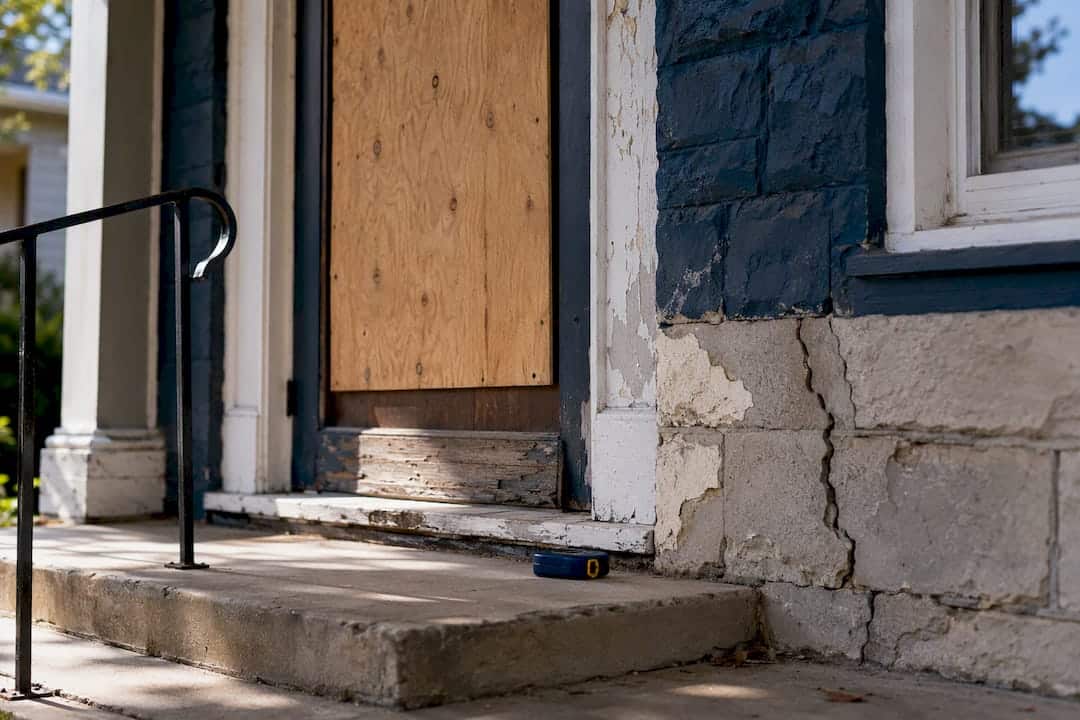
Disclosure isn’t a formality. It’s the legal foundation of the sale. Most states require sellers to report known condemnation notices, unresolved code violations, and material defects on a standard disclosure form before a buyer signs a contract.
Take a look at what these forms actually ask for:
- Colorado’s Seller’s Property Disclosure includes a specific checkbox for “notice or threat of condemnation proceedings,” along with a broader list of zoning and legal issues sellers must report, according to the Colorado Division of Real Estate%20(fillable)_for%20use%20on%20or%20after%20January%201,%20%202026_0.pdf).
- New York’s Property Condition Disclosure Statement requires sellers to answer detailed questions about known defects and governmental notices, and skipping it can trigger a $500 credit penalty to the buyer at closing in some cases.
- Nevada’s disclosure guide warns that buyers can rescind a contract or pursue damages when sellers omit required disclosures, according to the Nevada Real Estate Division.
Beyond the condemnation itself, expect to disclose unpermitted work, environmental reports, and any zoning violations tied to the property. If you’re unsure how a violation should be characterized on the form, or you’re facing multiple overlapping notices, that’s the point to bring in a real estate attorney rather than guess. Getting disclosure wrong doesn’t just risk a lawsuit. It can unwind a closing after you thought the deal was done.
How Do Liens and Back Taxes Affect Selling a Condemned House?
A title search is the single most important step you’ll take, because mortgages, judgment liens, code-enforcement liens, and federal tax liens all have to clear before a buyer can get insurable title. Selling a house with back taxes or an unresolved lien is common, and title companies handle it constantly, but only if you plan for it early.
Here’s how sellers typically resolve encumbrances:
- Use sale proceeds at closing to pay off mortgages, judgment liens, or code-enforcement charges directly
- Negotiate a reduced payoff with a lienholder when proceeds won’t cover the full balance, a practice HomeLight’s guide on back taxes confirms is standard when equity is tight
- Apply for an IRS Certificate of Discharge using Form 14135 when a federal tax lien is attached, which allows a sale to proceed under escrow or a documented payment arrangement
The IRS lays out several discharge provisions in Publication 783, including options tied to appraised value and escrow agreements. The timing risk is real: the IRS can take several weeks to process a discharge application, so the Taxpayer Advocate Service recommends applying well before your intended closing date, not after you’ve already got a buyer waiting. If you’re navigating multiple liens at once, a step-by-step guide to selling with liens can help you sequence payoffs correctly.
How Much Is a Condemned House Worth?
Valuation on a condemned property hinges on the lot, not the structure. Buyers are pricing dirt, location, and what it costs to remove the liability sitting on top of it.
The main drivers of value:
- Lot value and comparable land sales in the neighborhood, since the existing structure often has negative worth
- Demolition and remediation costs, which swing based on square footage, asbestos or lead abatement needs, and local disposal fees
- Environmental hazards, like contaminated soil or mold remediation, which investors subtract before making an offer
- Neighborhood trajectory, since a condemned house in a rebuilding area draws more investor interest than one in a declining market
Discounts vary too much by region and condition to quote a single rule of thumb, but expect an offer well under comparable move-in-ready homes nearby. To set a realistic asking price, get a professional appraisal that accounts for the condemnation, or pull two to three contractor demolition bids so you know your floor before you negotiate.
Where Do You Find Buyers for a Condemned Property?
Your buyer pool is narrower than a standard listing, so your marketing needs to speak directly to the people who actually want this kind of deal.
Focus outreach on:
- Real estate investors and house flippers who specialize in distressed inventory
- Lot developers looking for infill sites, especially in areas zoned for higher-density rebuilds
- Auction houses that run distressed and estate-sale properties regularly
When you list, lead with transparency instead of burying the condemnation. Include photos of the lot and any visible hazards, attach permit history, and price the property for an investor’s return math, not retail comps. A distressed-property agent or a direct cash sale often outperforms a wide public listing here, since broad exposure to unqualified buyers just generates wasted showings and lowball offers from people who were never going to close.
Pro Tip: Skip the “handyman special” language. Investors searching for condemned inventory use very specific terms, like “lot value only” or “cash buyers only,” and matching that language gets your listing in front of the right audience faster.

What’s the Timeline for Selling a Condemned House?
Selling a condemned property moves through three phases, and the pace depends entirely on which sale route you pick.
- Immediate phase (one to three weeks): Read the condemnation notice carefully, order a title search, and contact the code enforcement office and an attorney to confirm what’s actually blocking the sale.
- Decision phase (two to six weeks): Choose your sale route, whether that’s a cash offer, auction, or repair path, then gather bids or offers and prepare your disclosure documents.
- Closing phase (variable): Resolve any liens or set up escrow for payoff, then finalize closing paperwork. Fast cash sales can close in as little as seven to thirty days, while repair-first sales or IRS discharge situations take considerably longer.
How Do Professional Home Buyers Handle Condemned Properties?
Companies built around as-is purchases exist specifically because condemned and distressed properties don’t fit the traditional listing model. AAS Home Buyers structures its services around exactly this gap, offering more than one path depending on what a seller actually needs.
The relevant options include:
- Direct Purchase by AAS Home Buyers for owners who want a straightforward cash offer without listing
- Purchase by Vetted Investment Partners when a direct offer isn’t the right fit but a fast, as-is sale still is
- Retail Buyer Program for sellers who have some equity cushion and want managed marketing toward retail buyers instead of investors
- Realtor Referral Program for owners who decide a licensed agent handling a distressed listing makes more sense
These paths typically handle as-is valuation, faster closing timelines, and coordination around title issues or escrow, which matters most when a lien or condemnation order is already complicating the sale.
What’s More Important: Speed or Price?
Here’s where we land after walking through every option: if fines are accumulating, foreclosure is on the table, or the property poses an active safety risk, speed should outrank chasing top dollar. A slower repair-and-list path only makes sense when you have real equity cushion and enough time to absorb permit delays. The moment liens stack up, especially a federal tax lien, get an attorney involved early. Discharge applications and payoff negotiations move faster with professional guidance than they do alone, and a foreclosure-timeline mismatch is the single most common reason sellers end up with far less than they expected.
— AAS
Get an As-Is Offer on Your Condemned Property
AAS Home Buyers gives you a structured alternative to the guesswork of listing a condemned house on the open market, where most buyers walk away the moment they see a code violation. Instead of one rigid offer, you get a choice between a direct cash purchase, a vetted investment partner, a managed Retail Buyer Program listing, or a realtor referral, depending on how much equity you’re protecting and how fast you need to close.

If you’re facing accumulating fines, a foreclosure deadline, or a title clouded by liens, this is exactly the situation these services are built for. AAS Home Buyers works through title and escrow complications as part of the process rather than treating them as deal breakers, and there are no upfront service fees tied to getting an evaluation. Start by reviewing the full process and selling options to see which path fits your timeline, then request a valuation to see where you stand before you commit to a route.
Where to Verify These Rules
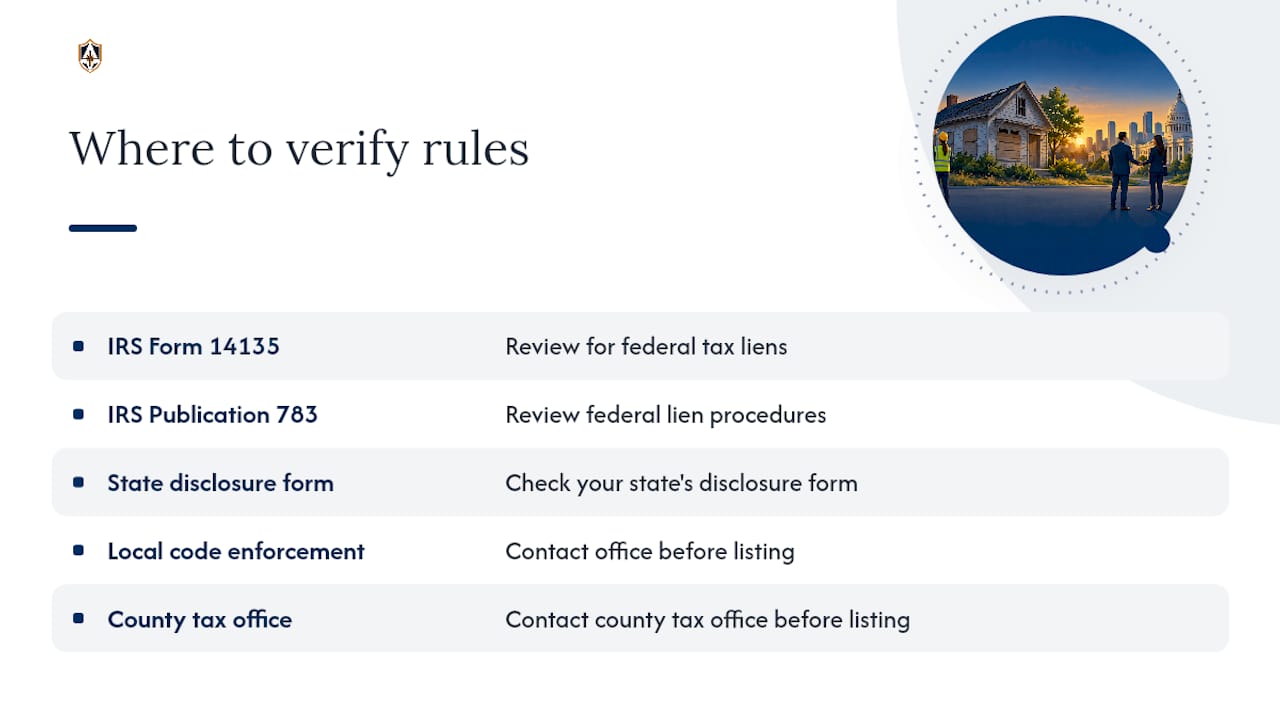
For federal tax lien issues, review IRS Form 14135 and Publication 783 directly. Check your state’s disclosure form and contact your local code enforcement office and county tax office before listing.
This article is general information, not a substitute for advice from a qualified lawyer. Consult a qualified legal professional about your own circumstances before acting on anything here.
Sources
- New York Department of State: Property Condition Disclosure Statement (2023)
- IRS Form 14135: Application for Certificate of Discharge of Property from Federal Tax Lien (Rev. 11-2024)
- Can You Buy or Sell a Condemned Building? — Realtor.com
- Taxpayer Advocate: Lien discharge overview and process
FAQ
Can You Sell a House That’s Condemned?
Yes, you can sell a condemned house in most U.S. jurisdictions, though you must disclose the condemnation and any known violations. Financing is typically limited to cash buyers or investors, since conventional mortgages are usually unavailable for condemned properties.
How Much Is a Condemned House Worth?
A condemned house is generally worth its lot value minus demolition and remediation costs, since the structure itself often carries negative value. The exact discount varies too much by region and hazard type to quote a fixed number, so a professional appraisal or contractor demolition bid gives you the most reliable figure.
What Can You Do With a Condemned House?
You can sell it as-is to a cash buyer or investor, list it at auction, repair it to lift the condemnation order, or demolish the structure and sell the land alone. The right choice depends on your equity, timeline, and whether the repair costs make financial sense compared to a direct sale.
Can You Legally Live in a Condemned House?
No, a condemned house is officially ruled unsafe for occupancy, and living in one violates the condemnation order. You can typically still own and sell the property, but you cannot legally reside in it until the order is lifted through repairs and re-inspection.
What Happens if You Don’t Disclose a Condemnation Notice?
Failing to disclose a known condemnation notice or unresolved code violation can expose you to legal liability, including buyer rescission rights or damages claims. States like New York and Nevada both outline penalties for incomplete disclosure, which is why consulting an attorney before listing is worth the cost when your situation involves multiple violations or liens.