
Seller Home Warranty: What Sellers Need to Know
A seller home warranty is a short-term service contract that covers repairs to major systems and appliances while your home is on the market. It typically transfers to the buyer at closing. It’s worth considering if you want to avoid post-inspection price battles and reduce the odds a buyer walks over a broken water heater. It’s usually skippable if your major systems are practically new or you’d rather handle repairs yourself.
- Coverage term: Usually about 180 days or until closing, whichever comes first.
- Typical cost: $300 to $700 for seller coverage, though some plans are bundled free if the buyer agrees to purchase a plan at closing, according to This Old House.
- Core benefit: It shifts repair liability to a third party and gives buyers less ammunition to renegotiate after inspection.
Skip it if your HVAC, roof, and water heater are all under five years old, or if you’d rather line up your own contractor for any pre-listing fix.
Key Takeaways
A seller home warranty reduces post-inspection negotiation friction by shifting repair liability to a third party for roughly $300 to $700, but it excludes pre-existing conditions and caps payouts.
| Point | Details |
|---|---|
| Coverage window | Seller plans typically run 180 days or until closing, whichever happens first. |
| Cost range | Expect $300 to $700 for seller coverage, or bundled terms tied to a buyer-plan purchase. |
| What’s excluded | Pre-existing conditions, cosmetic issues, and costs above per-item or aggregate caps aren’t covered. |
| Negotiation value | Warranties can offset inspection-driven price cuts, with experts estimating around 300% ROI in some cases. |
| Alternative path | AAS Home Buyers offers a direct cash sale that skips inspection contingencies and repair negotiations entirely. |
Table of Contents
- What Is a Seller Home Warranty, Exactly?
- How Seller Coverage Works From Listing to Closing
- What a Seller Home Warranty Actually Covers
- What Does a Seller Home Warranty Cost?
- Why Sellers Choose to Offer a Home Warranty
- Where Seller Warranties Fall Short
- How to Choose and Buy Seller Coverage
- Major Providers Sellers Commonly Encounter
- What the Research Says About Seller ROI
- A Seller’s Honest Take on Home Warranties
- A Faster Path That Skips the Warranty Question Entirely
- Sources
- FAQ
What Is a Seller Home Warranty, Exactly?
A seller home warranty is a service contract, not an insurance policy. It pays for repair or replacement of covered systems and appliances that break down from normal wear and tear while your home is listed, and it’s a completely different product from your homeowners insurance, which covers fire, storm damage, theft, and liability, not a worn-out dishwasher motor.
The distinction that trips up most sellers is who it’s for and when it kicks in. A buyer’s warranty is purchased after closing to protect the new owner going forward. A seller home warranty protects you, the current owner, during the vulnerable window between listing and closing, when a broken furnace can blow up a deal three weeks before you’re supposed to hand over the keys.
Coverage structures generally follow one of two patterns:
- Listed-date activation: Coverage starts the day you list and runs for a fixed term, often 180 days.
- Closing transfer: The plan automatically converts to buyer coverage at closing, so the new owner picks up where your seller term left off, according to USA Today.
Some providers let you set your own activation date instead of tying it to the list date, which matters if you’re prepping the house for weeks before it actually hits the market.
How Seller Coverage Works From Listing to Closing
Think of a seller home warranty as running on two clocks at once: a term clock and a transaction clock. The term clock starts when you activate the plan, commonly for 180 days. The transaction clock is your actual sale timeline. Whichever finishes first ends the seller-side coverage and, in most cases, hands it off to the buyer.
Here’s the practical flow. You activate coverage before or at listing. If a covered system fails while showings are happening, you call the warranty company, pay a service call fee, and a technician gets dispatched, usually from the provider’s approved network, according to USA Today. The repair happens, the sale keeps moving, and you avoid a scramble to find and vet your own contractor mid-negotiation.
At closing, the remaining coverage typically transfers to the buyer automatically, and the buyer takes over responsibility for future service calls and fees. Some providers, including American Home Shield, structure this as a Seller Coverage Option that protects you for up to six months while listed, then converts to buyer coverage once the sale closes.
- Coverage begins at listing or a chosen start date.
- You (the seller) generally cover the service call fee for claims filed before closing.
- The plan converts to the buyer’s name and coverage terms at closing.
- The buyer registers with the provider to activate ongoing service after closing.
Pro Tip: Activate your warranty before your first listing photos go up, not after your first showing. A home warranty that’s already active when buyers tour the property signals stability, and you’re covered from day one instead of scrambling to enroll after something breaks.
What a Seller Home Warranty Actually Covers
Most seller plans cover the systems and appliances most likely to fail during a transaction, and those are exactly the items buyers scrutinize during inspection. Standard coverage typically includes:
- HVAC systems (furnace, air conditioning, ductwork)
- Plumbing systems, including leaks and clogs in main lines
- Electrical systems and wiring
- Water heaters
- Kitchen appliances: oven, range, dishwasher, garbage disposal
- Washer and dryer, in many plans
Optional add-ons often include roof leak coverage, pool and spa equipment, septic systems, and well pumps. These aren’t standard because they’re expensive to insure and vary wildly by home age and region, so read the add-on list carefully rather than assuming your roof is included by default.
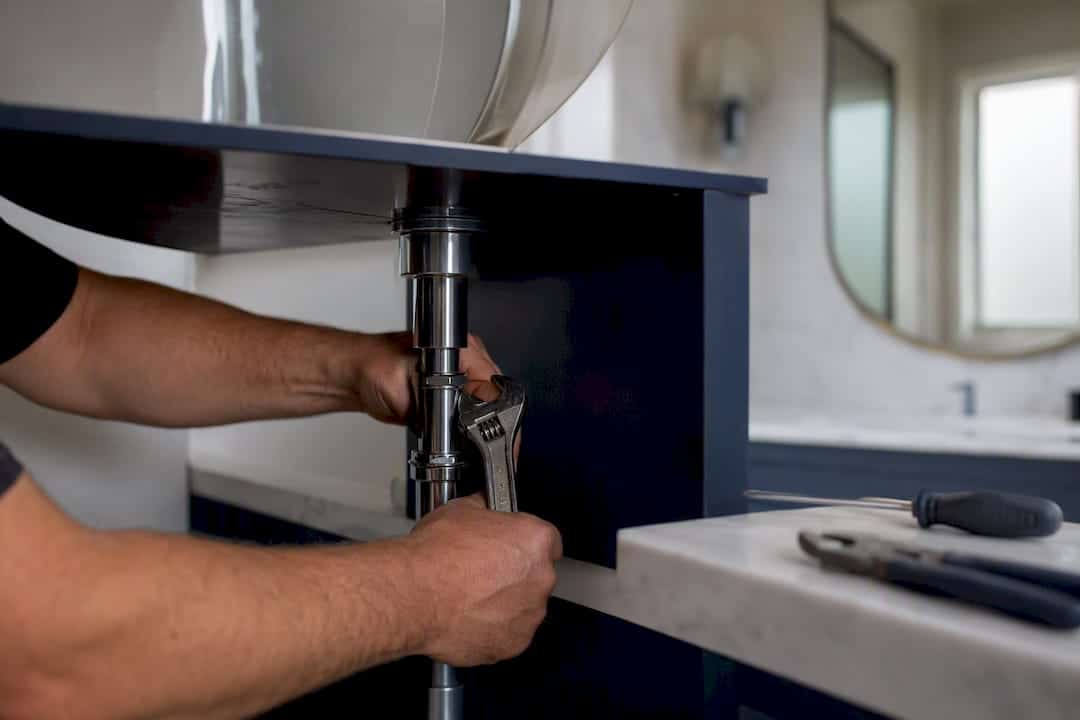
Here’s where sellers get caught off guard: coverage always comes with limits. Service call fees typically run $75 to $125 per visit, and most plans cap payouts per item and set an aggregate cap for the entire coverage term. If your water heater dies and the contract caps water heater replacement at $1,500 but a proper install runs $2,200, you’re on the hook for the difference. Pre-existing conditions, meaning anything that was already failing or improperly installed before coverage started, are almost universally excluded. A seller warranty is a risk management tool for moderate repairs, not a blank check for total system overhauls.
What Does a Seller Home Warranty Cost?
Seller listing coverage generally runs $300 to $700 for the full term, and payment timing is more flexible than most sellers expect. Some providers collect the premium upfront. Others let you defer payment until closing and pull it from sale proceeds, which means zero out-of-pocket cost while you’re still living in and marketing the home, a structure American Home Shield offers on its seller plans.
You’ll also see “complimentary” or “free” listing coverage advertised heavily. Read that fine print closely. Providers like 2-10 offer free coverage during the listing period but that offer is frequently conditioned on the buyer purchasing a full plan at closing, which has a monthly cost. As ConsumerAffairs points out, that “free” listing period is often baked into the total transaction cost rather than a genuine freebie, so compare the whole package instead of just the sticker price on the seller side.
What moves the price:
- Plan tier: Basic systems-only plans cost less than plans bundling appliances and add-ons.
- Add-ons: Pool, spa, and septic coverage add to the base premium.
- Property age: Older homes with aging systems sometimes carry higher premiums or exclusions.
- State availability: Coverage options and pricing vary by state, so get a quote for your specific address.
Why Sellers Choose to Offer a Home Warranty
A seller home warranty earns its cost back mostly through negotiation leverage. Inspectors find something on nearly every home, and buyers use those findings to ask for credits or price cuts. A warranty gives you a counter: instead of cutting $3,000 off the price for an aging HVAC unit, you offer coverage that follows the buyer past closing.
It also functions as a liability shield. If the water heater fails four weeks after closing, the buyer calls the warranty provider instead of calling you, which matters a lot if you’re selling an older home with systems nearing the end of their expected life.
Real estate experts cited by This Old House estimate sellers can see roughly a 300% return on investment when a warranty helps them avoid larger price concessions during negotiation. That’s a rough industry estimate, not a guarantee, but it illustrates why a $500 warranty can outperform a $3,000 credit in a tense negotiation.
- Reduces the odds of a post-inspection price fight.
- Shields you from liability for issues that surface after closing.
- Helps a listing stand out in a market where buyers are comparing several similar homes.
Where Seller Warranties Fall Short
No warranty covers everything, and the gaps matter more than the marketing copy suggests. Common exclusions include:
- Pre-existing conditions or anything that was failing before coverage started.
- Systems past a certain age or in poor condition at inspection.
- Cosmetic damage and code-compliance upgrades required by local ordinance.
- Costs above per-item or aggregate payout caps.
There are situations where buying a seller warranty just doesn’t pencil out. If every major system, roof, and appliance is under five years old, you’re likely paying for coverage you’ll never use. If you already know the HVAC needs replacing and you’re planning to handle it directly, a targeted repair with a trusted contractor often beats a warranty claim, since you control the quality and timeline instead of waiting on a dispatched technician.
Pro Tip: If you offer seller coverage, spell it out in the purchase contract addendum exactly: provider name, coverage term, and what transfers at closing, as advised by local real estate experts. A vague verbal mention of “a home warranty” invites disputes later over what was actually promised.
How to Choose and Buy Seller Coverage
Shopping for seller coverage is straightforward if you work through it in order:
- Get quotes from two or three providers before you list, so you’re comparing real numbers instead of advertised teasers.
- Compare coverage term and payout caps side by side, not just the monthly or annual price.
- Check the service call fee for each plan, since a lower premium sometimes hides a higher per-visit fee.
- Verify contractor network rules, including whether you can use your own technician or must accept whoever the provider dispatches.
- Confirm the transfer process at closing so you and the buyer both know what happens to the plan.
- Record the coverage terms in your purchase contract addendum to avoid disputes after closing.
Watch for these red flags while comparing plans:
- Payout caps so low they wouldn’t cover a basic HVAC repair.
- Reviews citing long wait times for service dispatch.
- Contractor networks with few or no local technicians in your area.
- Vague or missing language about what happens to coverage at closing.
Timing matters too. Buy coverage before your listing goes live, not after your first offer, so you’re covered through the entire showing period and the inspection window that follows.
Major Providers Sellers Commonly Encounter
A handful of national providers dominate the seller-warranty conversation, and each structures its seller-side offer a little differently. American Home Shield (AHS) offers a Seller Coverage Option protecting sellers for up to six months while listed, with payment often collected at closing. 2-10 Home Buyers provides complimentary seller coverage for 180 days or until the home sells, frequently paired with a buyer-plan purchase requirement at closing. First American Home Warranty and Select Home Warranty both offer seller-focused plans as well, with coverage terms and caps that vary by state and plan tier.
Rather than picking a provider by name alone, compare them across the dimensions that actually affect your sale:
- Coverage term (fixed months versus until closing)
- What’s covered, including optional add-ons
- Price or premium, and whether it’s deferred to closing
- Service call fee per visit
- Payout caps, both per item and aggregate
- Claims and service reputation, including contractor network restrictions
- State availability, since not every plan is offered everywhere
What the Research Says About Seller ROI
The strongest argument for seller coverage isn’t marketing, it’s negotiation math. When a warranty is on the table, buyers have less reason to demand a price cut over an aging appliance, because the warranty already addresses their risk. Experts cited by This Old House point to an estimated 300% ROI in scenarios where a warranty replaces a larger cash concession.
Agents lean on this in practice: a warranty offer during negotiation reframes the conversation from “how much will you knock off the price” to “what protection comes with this home.” That shift matters because credits and price cuts are permanent, while a warranty is a bounded, known cost you control before you ever list.
A Seller’s Honest Take on Home Warranties
Offering a warranty took one contentious repair credit off the table during my last sale. The furnace tripped an inspection flag, and instead of negotiating a price cut, we pointed to the coverage already in place. The friction that came later was picking a technician; the provider’s network sent someone I wouldn’t have chosen myself. If your systems are aging and you want a clean negotiation, buy the coverage. If everything’s newer and you’d rather manage repairs yourself, skip it and save the premium.

A Faster Path That Skips the Warranty Question Entirely
A seller home warranty solves one problem: what happens if something breaks while a buyer’s inspector is crawling through your attic. But it doesn’t solve the bigger one, which is the weeks (or months) of showings, negotiations, and inspection repairs that come before you ever get to closing. AAS Home Buyers offers a different way through that: a direct cash purchase that skips inspection contingencies altogether, so there’s no aging HVAC unit for a buyer to renegotiate over in the first place.

Through our transparent selling process, you get a data-driven valuation on your home as-is, no repairs, no warranty shopping, no service call fees to track. If you’d rather list traditionally but want backup, our vetted agent network can also walk you through when a warranty makes sense for your specific listing. Either way, the trade-off is simple: a warranty protects a buyer after closing, while a direct sale removes the inspection risk before it ever becomes a negotiation. Get a no-obligation cash offer at AAS Home Buyers and see which path actually fits your timeline.
Sources
- Home Warranty for sellers: Benefits, use cases and when to offer one
- What Does a Home Warranty Cost a Seller?
- Benefits of a Home Warranty for Sellers | AHS
- Sellers Home Warranty Plans & Coverage | 2-10 HBW
- What Does a Home Warranty Cost a Seller? | ConsumerAffairs
FAQ
How Does a Seller’s Home Warranty Work?
It covers repairs to major systems and appliances while your home is listed, typically for 180 days or until closing, then it usually transfers to the buyer once the sale finalizes.
Why Would a Seller Pay for a Home Warranty?
Sellers buy coverage to reduce inspection-driven price negotiations and to shield themselves from liability if a covered system fails shortly after closing.
What Does Dave Ramsey Say About Home Warranties?
Financial commentators like Dave Ramsey generally advise against most consumer home warranties, arguing that a well-funded emergency fund covers repairs more flexibly than a capped, exclusion-heavy contract; sellers should weigh that general caution against the specific negotiation benefits during an active sale.
Are Home Warranty Plans a Rip-off?
They’re not a rip-off, but they’re not a blank check either. Payout caps, service call fees, and pre-existing condition exclusions mean a warranty works best as a moderate-repair safety net, not a substitute for major system replacement.
Is There an Alternative to Buying a Seller Warranty?
Yes. Selling directly through a service like AAS Home Buyers lets you skip inspection contingencies and repair negotiations entirely, since the sale happens on an as-is basis.