
How to Sell Your House Without a Realtor: FSBO Plan
You can sell your house without a realtor. Thousands of homeowners do it every year through a process called FSBO, short for “for sale by owner,” and the potential savings are real. On a home, skipping the listing-side commission alone could save you a significant amount of money, according to Bankrate. But FSBO is not the right move for every seller, and going in without a plan can cost you more than you save.
Before you list anything, take three steps:
- Check your situation honestly. Do you have time to manage showings, paperwork, and negotiations? Do you already have a buyer in mind, or will you need to find one?
- Get a professional valuation. A licensed appraiser or a comparative market analysis from a local title company gives you a defensible asking price before you commit to a number.
- Consult a real estate attorney or local closing company. State disclosure rules, required forms, and buyer-agent payment obligations vary significantly by market. The Consumer Financial Protection Bureau maintains a homeowner resource hub covering closing costs, disclosures, and consumer protections, which is worth reading before you start.
If FSBO feels like too many moving parts, a direct-sale option like AAS Home Buyers offers a structured alternative with no listing required. Both paths are covered in detail below.
Key Takeaways
Selling without a realtor is viable when you have time, a clear price, and the right legal support — but the $65,000 median price gap between FSBO and agent-assisted sales means the math deserves a hard look before you commit.
| Point | Details |
|---|---|
| FSBO saves commission but carries risk | Listing-side savings of 2.5%–3% are real, but FSBO homes historically sell for less than agent-listed homes. |
| MLS exposure is non-negotiable | A flat-fee MLS service ($100–$400) is the single highest-leverage marketing spend for any FSBO seller. |
| Attorney review protects you | Hire a real estate attorney for contract and disclosure review; limited-scope help typically costs $500–$1,000. |
| Verify every buyer before signing | Require a preapproval letter, proof of funds, and earnest money before countering or accepting any offer. |
| AAS Home Buyers offers a managed alternative | Direct cash purchase, Retail Buyer Program, and agent referrals give sellers a structured path with no listing required. |
Table of Contents
- Can you sell a house without a realtor?
- Step-by-step FSBO checklist: from pricing to closing
- How to price your home accurately without an agent
- Marketing your FSBO listing: photos, channels, and open houses
- How to evaluate offers, verify buyer finances, and negotiate safely
- Paperwork, required seller disclosures, and how closing works
- What you actually save and what you still pay when you sell without a realtor
- When to hire a real estate attorney, inspector, or appraiser
- Common risks, scams, and red flags to avoid when selling on your own
- Sources
- FAQ
Can you sell a house without a realtor?
Yes, and many sellers do. FSBO is legal in every U.S. state. What changes from state to state are the disclosure forms required, whether an attorney must be present at closing, and how buyer-agent commissions are handled after the National Association of Realtors’ 2024 settlement changed the rules on buyer representation agreements.
The honest tradeoff: FSBO sellers tend to net less per transaction than sellers who use an agent. NAR data consistently shows this gap, and 2025 figures put the median FSBO sale price at $360,000 versus $425,000 for agent-assisted sales. That $65,000 difference does not mean FSBO is always the wrong choice. It reflects the fact that many FSBO transactions involve sellers who already know their buyer, which skews the data. Still, the gap is large enough to take seriously.
Pros and cons of selling without an agent
Pros:
- Save the listing-side commission, typically 2.5%–3% of the sale price
- Full control over pricing, showings, and negotiation
- Direct communication with buyers, which can speed decisions
- Works well when you already have a buyer or a strong local network
Cons:
- FSBO homes statistically sell for less than agent-listed homes
- You handle all paperwork, disclosures, scheduling, and negotiation
- Limited MLS exposure unless you pay for a flat-fee listing service
- Mistakes in contracts or disclosures can create legal liability after closing
Three questions to decide if FSBO makes sense for you
- Do you have 10–20 hours per week available during the listing period for showings, calls, and paperwork?
- Are you comfortable negotiating price, repairs, and contingencies directly with a buyer or their agent?
- Do you have an existing buyer, or are you willing to pay for MLS exposure to reach the open market?
If you answered no to two or more of these, a managed option, an agent referral from Find a Trusted REALTOR® in Canada | Findre, or a direct cash sale may protect more of your equity in the end. If you need a fast sale, have a complex title situation, or are dealing with an inherited property or tenant issues, the risk of a DIY approach rises considerably.
| Factor | FSBO | Agent-Assisted |
|---|---|---|
| Listing-side commission | $0 (you save 2.5%–3%) | Typically 2.5%–3% of sale price |
| Median sale price (2025) | $360,000 | $425,000 |
| Time investment | High (seller manages all steps) | Low (agent manages most steps) |
| MLS exposure | Only with flat-fee service | Automatic |
| Legal risk | Higher without attorney | Lower with agent + attorney |
Step-by-step FSBO checklist: from pricing to closing
This is the full process, in order. Work through each step before moving to the next.
- Research your market and set a price. Pull recent comparable sales (comps) within a half-mile of your home, sold in the last 90 days, with similar square footage and condition. Adjust for differences. If you are unsure, hire a licensed appraiser for $300–$500.
- Order a pre-listing home inspection. A $300–$500 inspection upfront tells you what buyers will find and lets you decide what to fix before listing. Surprises during a buyer’s inspection kill deals.
- Make targeted repairs and prepare the home. Focus on items that affect safety, financing (lenders flag certain defects), and first impressions. Deep clean, declutter, and consider a professional stager for the main living areas.
- Hire a professional photographer. Listings with professional photos receive significantly more online views. Budget $150–$300 for a photographer who shoots in natural light and delivers edited images within 48 hours.
- Write your listing and gather required fields. See the checklist below.
- List on the MLS and FSBO platforms. Use a flat-fee MLS service to get your home onto the MLS and syndicated to Zillow, Realtor.com, and Redfin. Supplement with FSBO-specific sites, social media, and a yard sign.
- Conduct showings and open houses. Screen buyers before letting them tour. Use a sign-in sheet at every showing. Never allow an unaccompanied stranger to tour the home.
- Receive, review, and respond to offers. Verify buyer financing before countering or accepting. See Section 6 for the full offer-vetting framework.
- Coordinate inspection, appraisal, and closing. Once under contract, manage the buyer’s inspection timeline, respond to repair requests in writing, and work with the title or escrow company to reach closing.
Listing field checklist
Every online listing should include:
- Beds, baths, and total square footage (finished only)
- Year built and any major system updates (roof, HVAC, water heater)
- Accurate legal description and parcel number
- HOA name, monthly dues, and any transfer fees if applicable
- School district and proximity to major employers or transit
- Three to five property highlights written in plain, factual language
- All required seller disclosures linked or attached
Pro Tip: Stage the primary bedroom and kitchen before the photo shoot. Buyers spend the most time on those two rooms in online listings. A clean, well-lit kitchen photo alone can increase showing requests noticeably.
Showings and open house safety
- Confirm every showing request by phone or text before giving access
- Require a preapproval letter or proof of funds before a showing for serious buyers
- Use a digital sign-in sheet (Google Forms works) to capture names and contact info
- Never show the home alone if possible; have a trusted person present
- Lock away valuables, medications, and personal documents before every showing
How to price your home accurately without an agent
Pricing is where most FSBO sellers make their costliest mistake. Set the price too high and the listing goes stale; buyers assume something is wrong. Set it too low and you leave money on the table that no amount of negotiation recovers.
Pulling and reading comparable sales
Start with public records. County assessor websites and Zillow’s sold-listings filter both show recent sales. For each comp, note the sale price, days on market, square footage, lot size, year built, and condition. Then adjust: if your home has a renovated kitchen and the comp does not, add value. If the comp has a three-car garage and yours has one, subtract. A rough rule is $10,000–$20,000 per meaningful feature difference in most mid-range markets, though that range shifts significantly in high-cost metros.
When to hire a professional appraiser
If your home has unusual features, a large lot, or sits in a market with few recent comps, a licensed appraiser is worth the $300–$500 fee. The appraisal gives you a defensible number to show buyers and their agents, and it protects you from pricing based on wishful thinking. Lenders will order their own appraisal anyway once a buyer applies for a mortgage, so knowing the likely appraised value before you list prevents a painful renegotiation later.
Pricing formula for estimated net proceeds
A simple way to estimate what you will actually walk away with:
Asking price
minus buyer-agent commission (0%–3%, depending on what you offer)
minus repair credits or concessions from inspection
minus flat-fee MLS and marketing costs
= Estimated net proceeds
Example: A $380,000 asking price, with a 2.5% buyer-agent commission ($9,500), $6,000 in closing costs, and $3,000 in repair credits, leaves an estimated net of roughly $361,500 before mortgage payoff.
Common pricing mistakes: anchoring to your Zestimate instead of actual sold comps, ignoring days-on-market trends (a market where homes sell in 10 days is very different from one where they sit for 60), and pricing above the nearest appraisal threshold, which can cause a buyer’s loan to fall short.
Marketing your FSBO listing: photos, channels, and open houses
Getting your home in front of buyers is the single biggest structural disadvantage of FSBO. Agents have automatic MLS access; you do not. Closing that gap requires deliberate effort across multiple channels.
Channels that reach buyers
- Flat-fee MLS service: Pays a one-time fee ($100–$400 typically) to list your home on the local MLS, which then syndicates to Zillow, Realtor.com, Redfin, and hundreds of regional sites. A multi-state study cited by Zillow found MLS-listed homes sold for 17.5% more than off-MLS listings in the study sample. This is the single highest-leverage marketing spend for an FSBO seller.
- FSBO-specific websites: Platforms like FSBO.com and ForSaleByOwner.com attract buyers who specifically search for owner-listed homes. Reach is smaller than the MLS but the audience is motivated.
- Social media: A Facebook Marketplace listing and a post in local neighborhood groups costs nothing and can generate showing requests within hours of posting.
- Yard signage: A professional-looking yard sign with a phone number and a QR code linking to your listing still drives inquiries, especially from buyers already driving through the neighborhood.
- Local networks: Notify neighbors, coworkers, and community groups. Many FSBO sales close with buyers who heard about the home through a personal connection before it ever hit the open market.
Flat-fee MLS vs. off-MLS: the real tradeoff
Paying for a flat-fee MLS listing costs a few hundred dollars upfront and requires you to manage all buyer inquiries yourself. Listing off-MLS is free but limits your reach to FSBO sites, social media, and word of mouth. For most sellers, the MLS fee pays for itself many times over in broader exposure and a stronger final price.
Photo and listing copy checklist
- Photograph every room, starting with the kitchen and primary bedroom
- Shoot during the day with natural light; turn on all interior lights
- Include at least one exterior shot from the street and one of the backyard
- Write the listing description in plain, factual language: square footage, updates, neighborhood features
- Avoid superlatives (“stunning,” “gorgeous”) that buyers have learned to discount
- Proofread for typos; errors signal an inexperienced seller and invite lowball offers
How to evaluate offers, verify buyer finances, and negotiate safely
Receiving an offer is exciting. It is also the moment when FSBO sellers are most vulnerable to wasting time on buyers who cannot close. A disciplined offer-review process protects you.
What to request with every offer
Before you respond to any offer, collect:
- A mortgage preapproval letter dated within 30–60 days, from a licensed lender (verify the lender through NMLS Consumer Access)
- Proof of funds for the down payment and closing costs
- For cash offers: a bank statement or letter from a financial institution showing liquid funds equal to the full purchase price
- Earnest money deposit of at least 1%–2% of the purchase price, held in escrow
- A clear list of all contingencies: financing, inspection, appraisal, and sale of buyer’s current home
Key insight: An offer without a preapproval letter is not an offer. It is an expression of interest. Treat it that way. A buyer who cannot produce a preapproval within 24–48 hours of your request is almost certainly not ready to close, and every week you spend waiting for them is a week your home is off the market for qualified buyers.
Red flags in buyer financing
- Preapproval from an unrecognized lender with no NMLS number
- Contingency language that gives the buyer unlimited time to secure financing
- Earnest money below 1% of the purchase price
- A cash offer with no proof of funds, or proof of funds from a third party the buyer cannot explain
- Pressure to skip the inspection or close faster than the title company recommends
Negotiation levers you control
As the seller, you can negotiate on more than price. Closing date flexibility, repair credits instead of price reductions, seller-paid closing cost contributions, and earnest money amount are all negotiable. When you counter, do it in writing, with a clear expiration time (24–48 hours is standard). Keep a written record of every counteroffer, including the date and time it was sent and received.
| Negotiation Lever | How to Use It |
|---|---|
| Closing date | Offer flexibility to attract buyers who need time to sell their current home |
| Repair credits | Offer a dollar credit at closing instead of making repairs yourself |
| Earnest money | Request a higher deposit to signal buyer seriousness |
| Seller concessions | Offer to cover a portion of buyer closing costs to keep the price firm |
Paperwork, required seller disclosures, and how closing works
This is the section most FSBO sellers underestimate. Disclosure mistakes are the most common source of post-closing legal disputes, and they are almost entirely avoidable with the right forms and a single attorney review.
Documents you will need to prepare or provide
- Seller’s disclosure statement: Required in most states. You must disclose known material defects: roof condition, water intrusion, HVAC issues, foundation problems, and anything else that would affect a buyer’s decision. Use your state’s official form from the state real estate commission website.
- Lead-based paint disclosure: Federal law requires this for homes built before 1978. Buyers must receive the EPA’s “Protect Your Family” pamphlet and have 10 days to conduct a lead inspection.
- Title commitment: Ordered through a title company. Confirms you have clear ownership and identifies any liens, easements, or encumbrances that must be resolved before closing.
- Purchase and sale agreement: The binding contract. Use your state’s standard form or have an attorney draft one. Do not use a generic online template for a transaction of this size.
- HOA documents: If applicable, provide the buyer with the current CC&Rs, bylaws, meeting minutes, and any pending special assessments.
- Property deed: Prepared by the title company or closing attorney and recorded with the county after closing.
State-specific rules and where to find them
Every state has its own disclosure requirements, and several states (including Alabama, Connecticut, Delaware, Georgia, Kansas, Maine, Maryland, Massachusetts, New York, North Dakota, South Carolina, and West Virginia) require an attorney to be present at closing. Check your state real estate commission’s website for the official list of required forms. The CFPB’s homeowner resource hub also covers federal-level closing cost and disclosure requirements.
How closing works for FSBO sellers
- Choose a title company or closing attorney. They hold escrow, conduct the title search, prepare the deed, and coordinate the wire transfers. Shop two or three for fees.
- Review the closing disclosure. You will receive a closing disclosure at least three business days before closing. Review every line item. Question anything you do not recognize.
- Wire funds safely. Never wire money based on instructions received by email alone. Call the title company directly using a number you found independently (not from the email) to confirm wiring instructions before sending anything.
- Sign and record. At closing, you sign the deed and transfer documents. The title company records the deed with the county and releases funds to you, typically within one business day.
What you actually save and what you still pay when you sell without a realtor
The commission savings are real, but they are not the whole picture. Here is a realistic breakdown of what FSBO sellers typically spend and what they net compared to an agent-assisted sale.
Two worked examples
Savings vs. agent: ~$11,400 (3% listing commission avoided)
Costs: $300 flat-fee MLS + $250 photography + $400 inspection + $800 attorney + $7,600 closing costs + $9,500 buyer-agent commission = ~$18,850
Estimated net: ~$361,150
Example B: Agent-assisted sale, same $380,000 home
Total commission (listing + buyer): ~$22,800 (6%)
Closing costs: ~$7,600
Estimated net: ~$349,600
In this scenario, the FSBO seller nets roughly $11,500 more. But that gap narrows or reverses if the FSBO home sells for less than the agent-listed price, which the NAR data suggests is a real and common outcome.
For sellers who need speed over maximum price, iBuyer and cash-offer services can close in days but typically charge fees in the 5%–6% range and may offer below market value in exchange for that convenience.
When to hire a real estate attorney, inspector, or appraiser
FSBO does not mean doing everything alone. The sellers who come out ahead are the ones who know exactly which professionals to hire and when.
Real estate attorney
Hire one before you sign anything. An attorney reviews or drafts your purchase and sale agreement, confirms your disclosure obligations under state law, and flags contract language that could expose you to liability after closing. In attorney-closing states, this is not optional. Even in states where it is not required, a limited-scope engagement (reviewing documents only, not full representation) typically costs $500–$1,000 and is one of the highest-return investments in the FSBO process.
From the real estate bar: Even in states where an attorney is not legally required at closing, many real estate attorneys recommend at least a limited-scope engagement for FSBO sellers to draft or review purchase and sale contracts and disclosures. The cost of a one-hour review is a fraction of the cost of a post-closing dispute.
Local bar associations in most states offer referral services that connect you with a real estate attorney for a reduced-fee initial consultation. That is a practical starting point if you do not already have one.
Home inspector
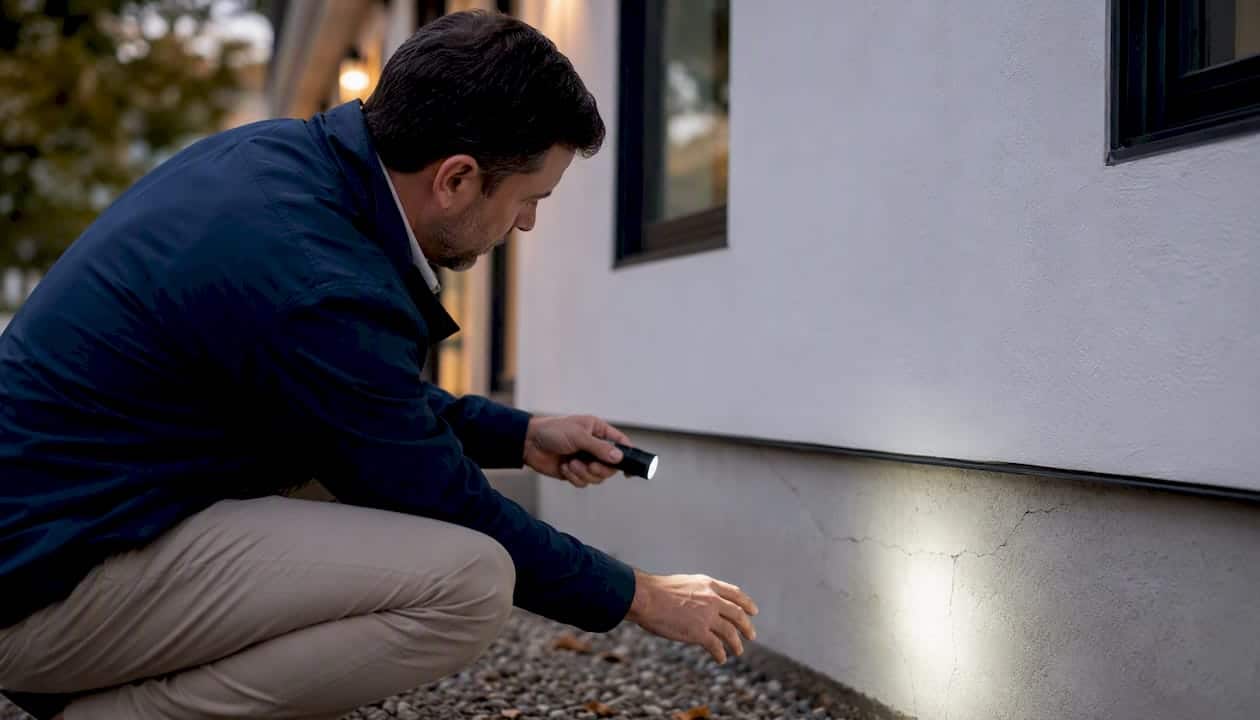
Order a pre-listing inspection before you set your price. A $300–$500 inspection gives you a complete picture of the home’s condition, lets you make strategic repairs, and prevents buyers from using surprise defects as leverage to renegotiate after you are already under contract. Once you accept an offer, the buyer will order their own inspection. Knowing what they will find puts you in a stronger negotiating position.
Licensed appraiser
Most useful when your home is unusual, the local market has few recent comps, or you want a defensible number to show skeptical buyers. A licensed appraisal costs $300–$500 and typically takes 1–2 weeks. It is not a substitute for the lender’s appraisal, which the buyer’s mortgage company will order independently, but it gives you a credible anchor for your asking price.
Title company
Always use one. The title search confirms you have clear ownership, and the title company manages escrow, prepares the deed, and coordinates the closing. Title insurance protects both you and the buyer from claims that surface after closing. You can verify title companies and closing agents through NMLS Consumer Access.
Attorney fees for FSBO sellers typically run $500–$1,500 for limited-scope document review, well below the cost of a full listing commission.
Common risks, scams, and red flags to avoid when selling on your own
FSBO sellers are targeted by scammers more often than sellers working with agents, simply because there is no licensed professional screening inquiries. Knowing what to look for protects you.
Red flags and how to spot them
- Wire fraud: Scammers intercept email communications and send fake wiring instructions that look like they came from your title company. Always verify wire instructions by phone, using a number you found independently, before sending any funds.
- Unverifiable buyers: A buyer who refuses to provide a preapproval letter, proof of funds, or a real name and contact address is not a serious buyer. Do not grant access to your home or sign any documents until you can verify who you are dealing with.
- Over-the-phone “appraisers”: Legitimate appraisers do not cold-call sellers. Anyone who offers to appraise your home by phone or email without a physical inspection is not licensed and is likely running a scam.
- Unlicensed closers: Verify every closing agent or escrow company through your state’s licensing database before handing over any documents or funds.
- Overpayment scams: A “buyer” sends a check for more than the purchase price and asks you to wire back the difference. The check bounces days later. Never accept overpayment and never wire money back to a buyer.
- Pressure to skip steps: Any buyer who pressures you to skip the title search, skip the inspection, or close faster than your attorney recommends is a red flag, regardless of how attractive the offer looks on paper.
What to do if you suspect fraud
Stop all communication immediately. Do not wire any funds. Contact your state’s real estate commission and the FBI’s Internet Crime Complaint Center (IC3) at ic3.gov. If you have already wired funds, call your bank within minutes: wire recalls are possible but only within a very short window after the transfer is initiated.
Typical timeline for a FSBO sale
Most FSBO sales take longer than sellers expect, particularly in slower markets or when the home needs work before listing.

| Phase | Estimated Duration | Key Variables |
|---|---|---|
| Pricing, prep, and photography | 2–4 weeks | Repair scope, photographer availability |
| Active marketing and showings | 2–8 weeks | Market velocity, price accuracy, MLS exposure |
| Offer to accepted contract | 1–7 days | Number of offers, negotiation complexity |
| Inspection and appraisal period | 2–3 weeks | Buyer’s lender timeline, repair negotiations |
| Closing and fund transfer | 1–2 weeks | Title search, attorney scheduling, lender speed |
| Total estimated timeline | 7–20 weeks | Faster in hot markets; longer in slower ones |
Hot seller’s markets can compress the marketing phase to days. A buyer’s market, a home that needs significant repairs, or a complex title situation can push the total timeline past five months. Build in a buffer when planning your move.
If a buyer’s financing falls through after you are under contract, you have two options: return to the market immediately (your listing will show as “back on market,” which some buyers interpret negatively) or negotiate with a backup buyer if you were smart enough to keep one warm. Always ask your second-best offer to stay available for 48–72 hours after you accept the top offer.
What sellers often wish they’d known before doing FSBO
The paperwork is not the hardest part. Most sellers who have been through a FSBO sale say the hardest part was the emotional labor: fielding low offers from buyers who assume an unrepresented seller will accept less, managing the anxiety of a deal that nearly fell apart over a $2,000 repair credit, and staying organized across dozens of emails and documents while still living in the home.
The sellers who handle it best are the ones who treat it like a part-time job from day one. They set office hours for showing requests, create a folder for every document, and decide in advance what their walk-away number is so they are not making emotional decisions under pressure.
One candid caveat: if your home is in a market where agent-listed homes are selling in under two weeks, the commission savings from FSBO may be smaller than the premium a skilled agent’s negotiation and marketing would have generated. The $65,000 median price gap between FSBO and agent-assisted sales is not explained entirely by seller skill. Some of it is market selection, but not all of it.
For state-specific forms, disclosure requirements, and closing rules, start with your state real estate commission’s website. The Useful Sources section below has direct links to federal resources and NAR research.
AAS Home Buyers: a lower-friction path if FSBO is not the right fit
If you have worked through this guide and concluded that FSBO is more time and risk than you want to take on, AAS Home Buyers offers a structured alternative built around your specific situation, not a one-size-fits-all process.

AAS Home Buyers works with sellers through three options: a direct cash purchase, a partner cash acquisition for homes that fit investor criteria, and a Retail Buyer Program that manages the listing and marketing on your behalf while connecting you with vetted local agents through the agent referral network. Every evaluation starts with a transparent valuation and no hidden fees. You are not locked into a six-month listing agreement, and there is no pressure to accept an offer that does not work for your situation.
The 3-step process is straightforward: submit your property details, receive a no-obligation offer or program recommendation, and choose the path that fits your timeline and financial goals. AAS Home Buyers serves homeowners across more than 25 states, including sellers facing foreclosure, inherited properties, major repair needs, or tenant complications. Review the terms and process details before you decide, and reach out when you are ready for a real conversation about your options.
Sources
These are the authoritative resources to verify state rules, find required forms, and check federal guidance before and during your FSBO sale.
- How To Sell A House Without A Realtor | Bankrate
- Owning a home | Consumer Financial Protection Bureau
- NAR research and statistics | Profile of Home Buyers and Sellers
When in doubt about a form or a legal requirement, consult a licensed real estate attorney in your state rather than relying on a generic online template.
FAQ
What is it called when you sell your house without a realtor?
It is called FSBO, short for “for sale by owner.” The seller handles pricing, marketing, showings, negotiations, and closing without a listing agent.
What is the best way to sell a house without a realtor?
List on the MLS through a flat-fee service for maximum buyer exposure, hire a real estate attorney to review your contracts and disclosures, and verify every buyer’s financing before accepting an offer. Sellers who skip any of these three steps take on significantly more risk.
What are the risks of selling a home without a realtor?
The main risks are pricing errors, disclosure mistakes that create post-closing legal liability, and exposure to buyer scams or unqualified buyers. FSBO sellers also tend to net lower sale prices than agent-assisted sellers, based on NAR’s annual research.
How do you avoid realtor fees when selling a house?
Alternatively, a direct cash sale through a service like AAS Home Buyers eliminates the listing process entirely, though the net proceeds depend on the offer terms.
How long does a FSBO sale typically take?
Most FSBO sales take 7–20 weeks from preparation to closing, depending on market conditions, price accuracy, and how quickly a qualified buyer is found. Hot markets can compress the timeline; slower markets or complex title situations can extend it past five months.